Why Choosing the Right Battery Manufacturer Matters
For importers, distributors, and brand owners, the battery manufacturer you choose directly impacts your product quality, supply chain reliability, and ultimately your brand reputation. A wrong choice can mean delayed shipments, failed certifications, or worse — product recalls.
China accounts for over 70% of global dry battery production, making it the world's most important sourcing destination. But with thousands of manufacturers competing for your business, how do you separate the reliable from the risky?
This guide distills 24 years of manufacturing experience into a practical framework for evaluating and selecting an OEM battery partner.
Step 1: Verify Factory Ownership (Not a Trading Company)
The most common mistake importers make is confusing trading companies with actual manufacturers. Trading companies resell batteries produced by third parties — meaning you have zero control over the production process, quality consistency, or supply chain transparency.
How to verify:
- Request a factory audit or video tour showing production lines
- Ask for the business license (营业执照) — it should list "manufacturing" (制造) as the business scope
- Check if the company has its own R&D team and quality lab
- Look for factory-specific certifications (ISO 9001, ISO 14001) rather than just product certifications
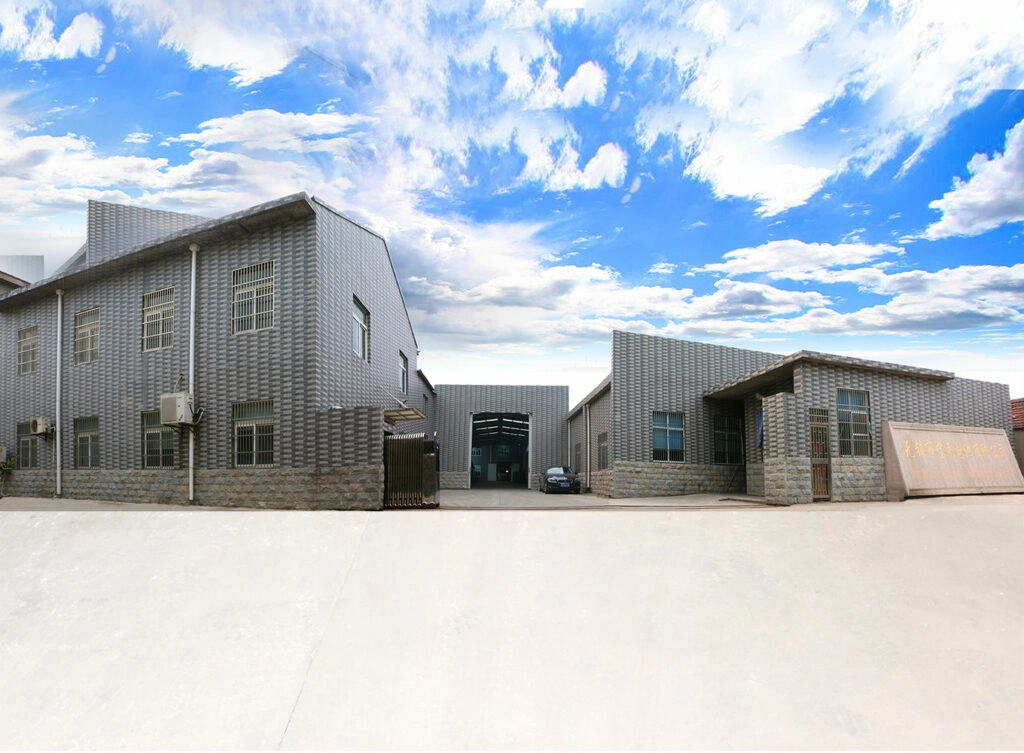
A genuine manufacturer like Dukecell operates its own 46,452 m² facility with 13 dedicated production lines and an in-house quality control laboratory.
Step 2: Check International Certifications
For batteries exported to Europe, North America, or other regulated markets, certifications are non-negotiable. The key certifications to look for:
| Certification | Market | What It Covers |
|---|---|---|
| CE | European Union | Safety, EMC, environmental compliance |
| RoHS | EU + global | Restriction of hazardous substances |
| SGS | Global | Third-party quality and safety testing |
| IEC 60086 | Global | International battery performance standard |
| UN38.3 | Global | Lithium battery transport safety |
| MSDS/SDS | Global | Material safety data sheet |
Red flag: A manufacturer who cannot provide original certification documents (not just logos on a website) should be disqualified immediately.
Step 3: Evaluate Production Capacity and Lead Times
Your manufacturer's capacity must match your demand — both current and projected. Key questions to ask:
- What is the annual production capacity? (Dukecell: 150M+ units/year)
- How many production lines are dedicated to your product type?
- What is the standard lead time for a first order vs. repeat orders?
- Can they handle seasonal demand spikes?
- Do they maintain raw material inventory to buffer supply chain disruptions?
A manufacturer with fewer than 5 production lines may struggle to fulfill large orders without compromising quality or timeline.
Step 4: Assess OEM Flexibility
True OEM capability goes beyond just printing your logo on a standard product. Evaluate:
Customization options:
- Custom battery sizes and capacities
- Private label packaging design
- Custom voltage and discharge curve specifications
- Mixed SKU orders (different battery types in one shipment)
Minimum Order Quantities (MOQ):
- Typical MOQ for alkaline batteries: 50,000–100,000 units per SKU
- Be cautious of manufacturers demanding excessively high MOQs — it may indicate they're a trading company aggregating orders
Step 5: Request Samples Before Committing
Never place a large order without testing samples first. A professional manufacturer will:
- Provide free samples within 3–5 business days
- Include test reports alongside samples
- Allow you to test against your specific application requirements
Test parameters to evaluate:
- Capacity retention at different discharge rates
- Leakage resistance (especially important for consumer electronics)
- Shelf life performance
- Performance in extreme temperatures
Step 6: Evaluate Communication and Responsiveness
In B2B manufacturing, communication quality is a proxy for operational quality. A manufacturer who responds slowly to inquiries will likely respond slowly to production issues.
Benchmarks:
- Initial inquiry response: within 24 hours
- Sample delivery: within 5 business days
- Technical questions: answered by an engineer, not just a salesperson
Conclusion: The Dukecell Difference
Since 2002, Dukecell has been manufacturing batteries for OEM partners in 80+ countries. Our factory combines scale (150M+ units/year), flexibility (custom packaging and specifications), and compliance (CE, RoHS, SGS, IEC certified) to serve global B2B buyers.
Ready to evaluate Dukecell as your OEM battery partner? Request a free sample [blocked] or contact our team [blocked] — we respond within 24 hours.